by
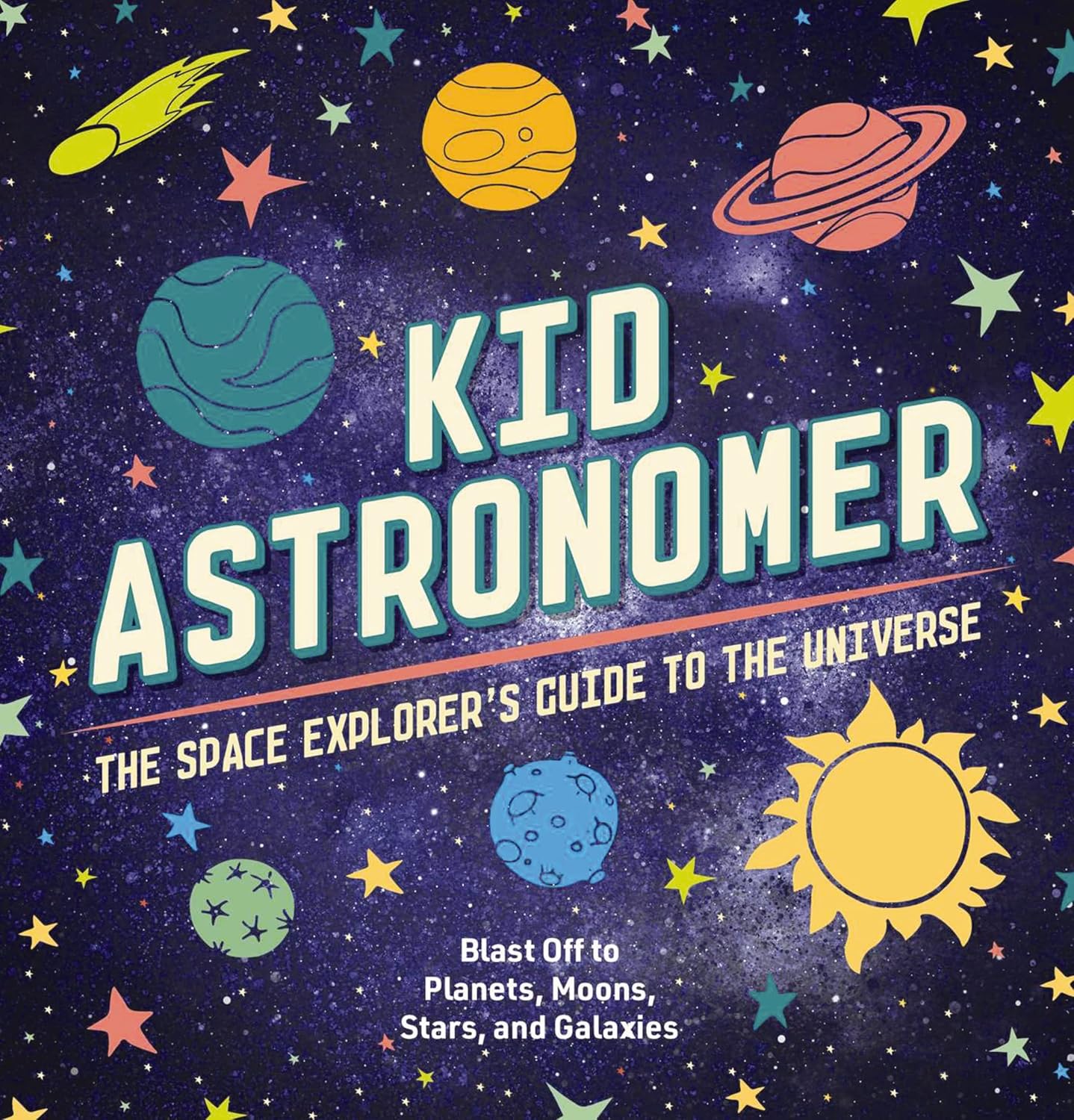
Introduce young readers to the wonders of space and answer little kids' big questions about the universe. Is there life elsewhere in the universe? Do wormholes really exist? From the lesser known entities of black holes and dark matter to the Sun and the Perseids we can see from our backyards, let this book be your guide to the mysteries of the universe.
by
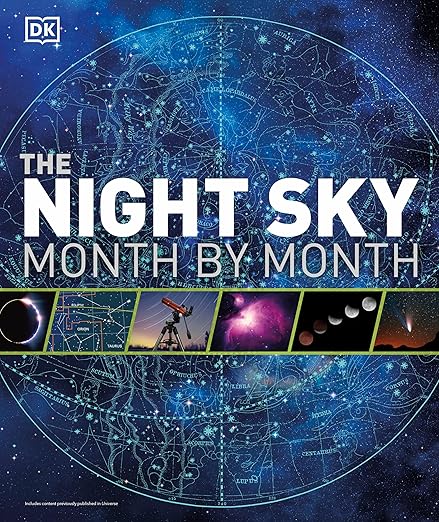
This comprehensive reference book shines bright with crystal-clear month-by-month charts of the planets, stars, and constellations in the northern and southern hemispheres.
The Night Sky Month by Month features specially-commissioned artworks and stunning photography introducing the main attractions to spot every month, including bright stars, key constellations, and meteor showers.
by
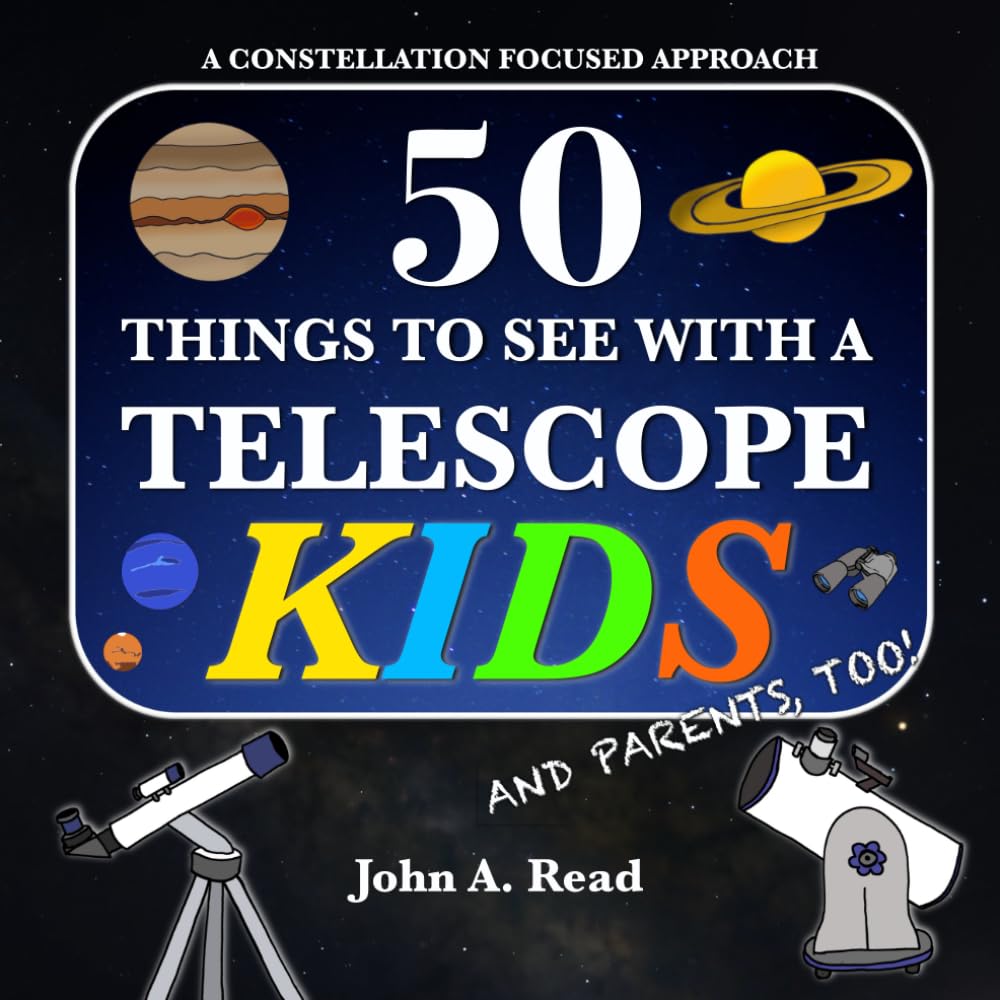
From the author of the bestselling book 50 Things to See with a Small Telescope, this colorful edition explores the constellations with young readers, guiding them to dozens of galaxies, nebulae, and star clusters. Every page features a helpful “telescope view”, showing exactly how objects appear through a small telescope or binoculars.
by
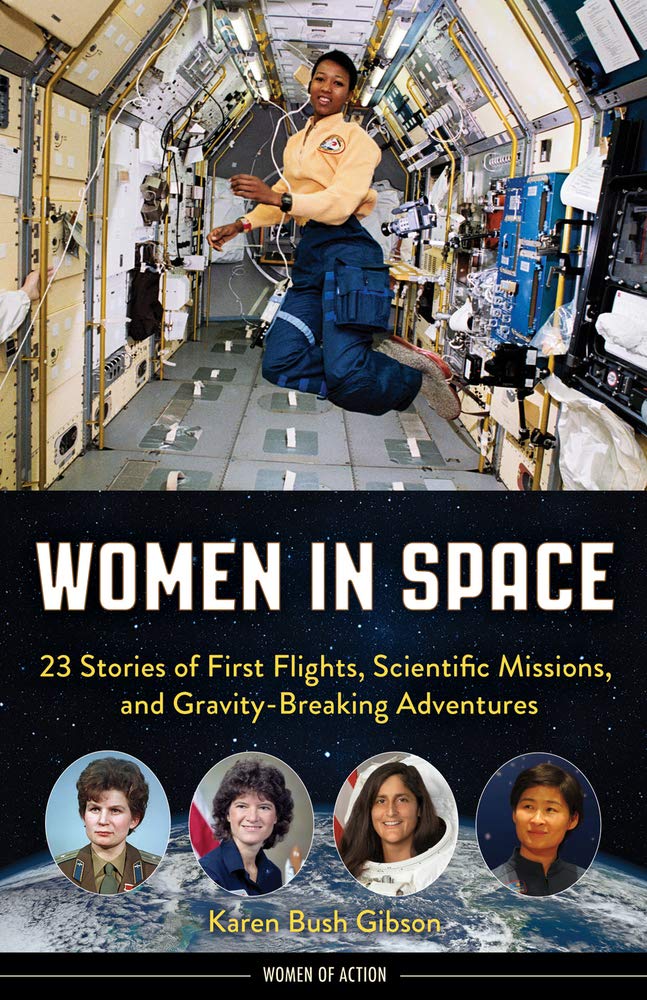
When Valentina Tereshkova blasted off aboard Vostok 6 on June 16, 1963, she became the first woman to rocket into space. It would be nineteen years before another woman got a chance—cosmonaut Svetlana Savitskaya in 1982—followed by American astronaut Sally Ride a year later. By breaking the stratospheric ceiling, these women forged a path for many female astronauts, cosmonauts, and mission specialists to follow. Women in Space profiles twenty-three pioneers from around the world, including Eileen Collins, the first woman to command the space shuttle; Peggy Whitson, who orbited aboard the International Space Station for more than a year; and Mae Jemison, the first African American woman in space.
by
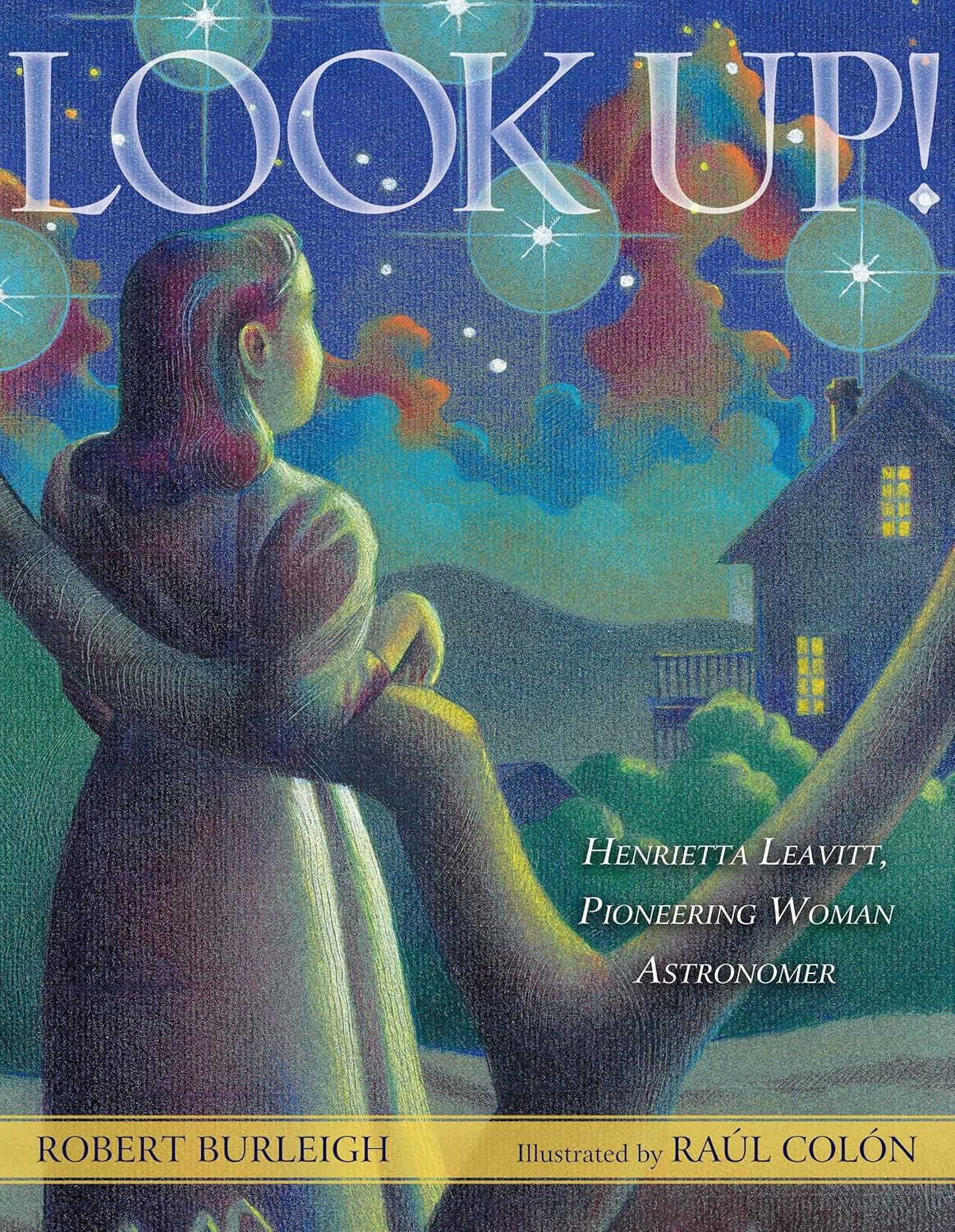
Henrietta Swan Leavitt was born on July 4, 1868, and she changed the course of astronomy when she was just twenty-five years old. Henrietta spent years measuring star positions and sizes from photographs taken by the telescope at the Harvard College Observatory, where she worked. After Henrietta observed that certain stars had a fixed pattern to their changes, her discovery made it possible for astronomers to measure greater and greater distances—leading to our present understanding of the vast size of the universe.
by
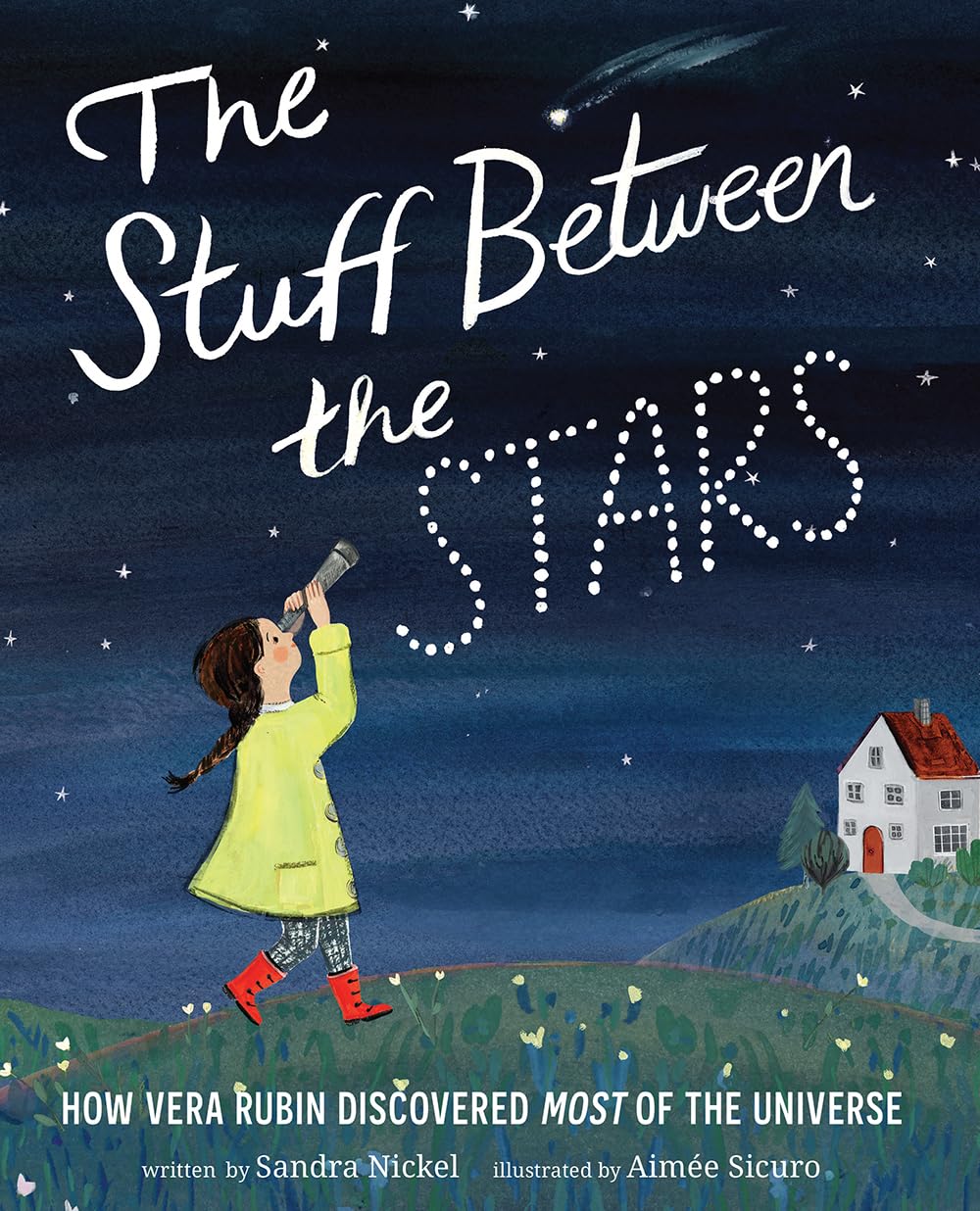
Vera Rubin was one of the astronomers who discovered and named dark matter, the thing that keeps the universe hanging together. Throughout her career she was never taken seriously as a scientist because she was one of the only female astronomers at that time, but she didn’t let that stop her. She made groundbreaking and incredibly significant discoveries that scientists have only recently been able to really appreciate—and she changed the way that we look at the universe.
by
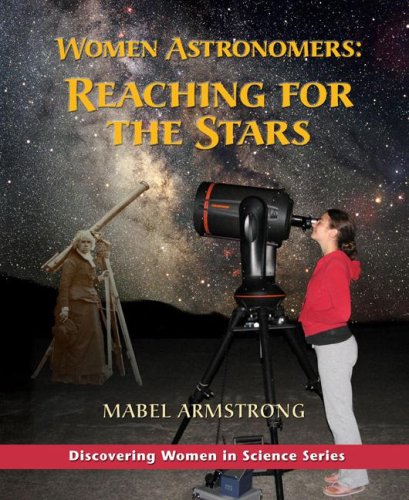
Women Astronomers: Reaching for the Stars (by Mabel Armstrong is the first in a planned series of "Women in Science" books for Young Adults. Women Astronomers covers some of the fascinating women who dared to look toward the stars from the first known woman astronomer Hypatia of Alexandria to Astronaut Sally Ride and all the fascinating, brave women in between.